Ara.so vs Ambient Room Devices: Software-First Deployment Guide
Ceiling mics and hardware hubs look futuristic, but software-first capture wins on portability and privacy.
Hardware-heavy approaches
Room devices excel at audio quality but demand contractor visits, badge provisioning, and quarterly recalibration. Sites with leased space or hybrid exam rooms rarely have the authority to drill holes or mount new hubs.
Any downtime requires field service, so clinics end up running parallel workflows for months.
Software-only capture
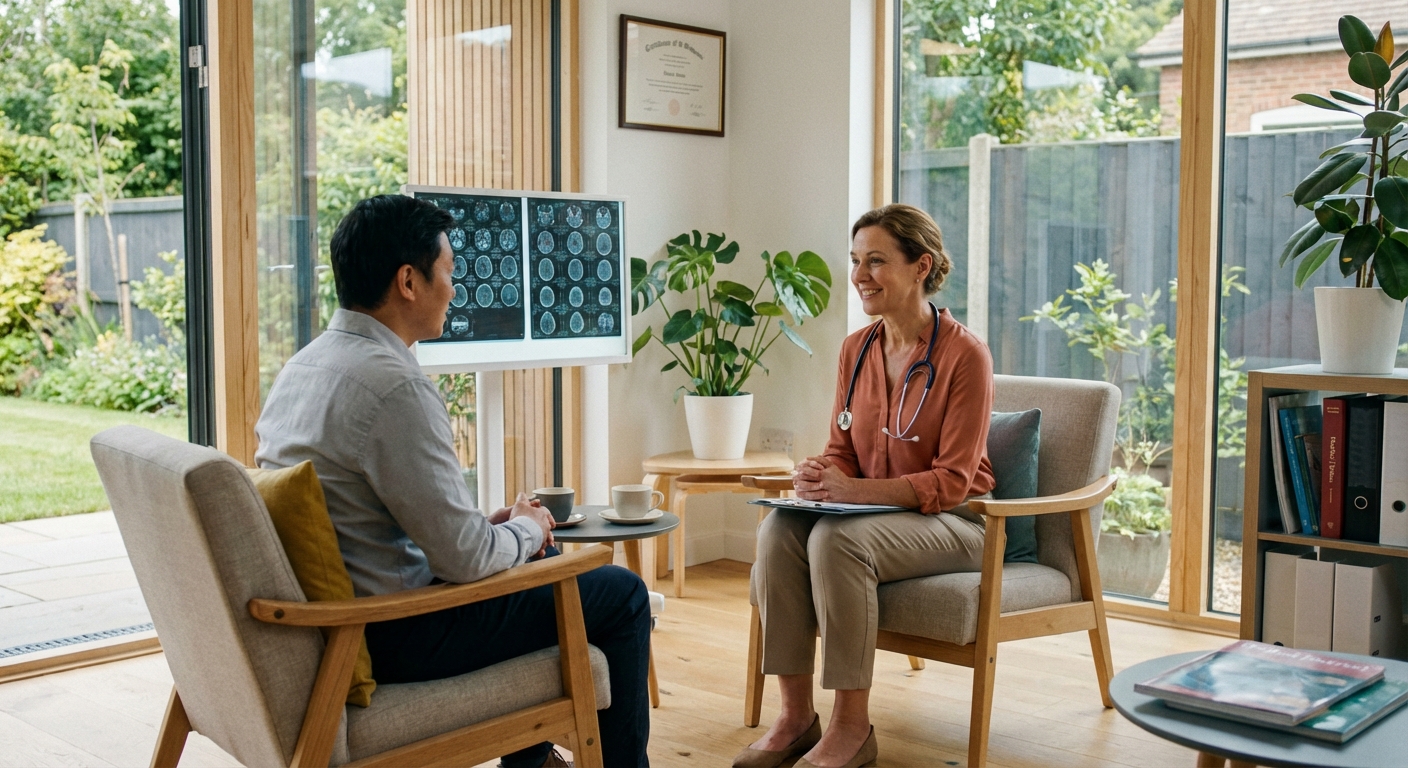
Ara captures audio directly from the clinician workstation or tablet. Dual-channel recording keeps patient and provider separated without external mixers. Encryption happens before packets leave the network, so PHI never sits on a black-box appliance.
If a browser crashes, relaunching the Ara app reconnects in seconds — no vendor ticket required.
- Deploy across remote visits instantly; hardware solutions often skip telehealth entirely.
- Lower maintenance means IT can focus on real platform upgrades.
- Finance prefers software because it scales per visit rather than per room.
| Feature | Ara.so | Room Devices |
|---|---|---|
| Setup | Instant (Software) | Weeks (Hardware install) |
| Cost | Low (SaaS) | High (Hardware + Service) |
| Maintenance | Auto-updates | Technician visits |
| Scalability | Infinite | Limited by hardware |
Bottom line
Unless you already planned a capital project, stick with software-first ambient capture. Ara gives you the same transcript fidelity, faster rollouts, and less surface area for PHI to sit on.
Key takeaways
- Hardware scribes slow down expansion.
- Ara.so deploys with a URL and existing headsets.
- Security teams prefer software because logs, keys, and retention live inside your tenant.